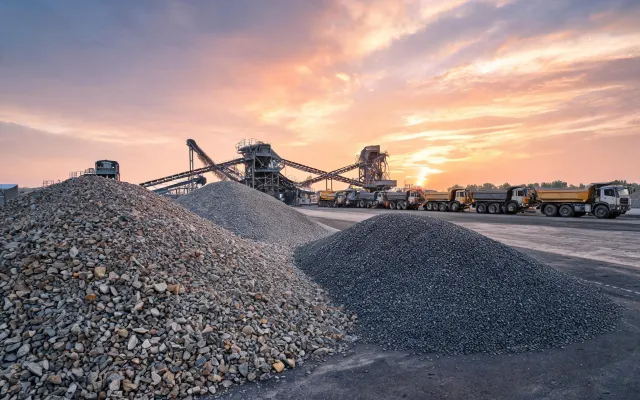
Highway Build
Base-course circuits sized for 18-month paving windows — jaw, cone and finishing screen holding gradation through night shifts.
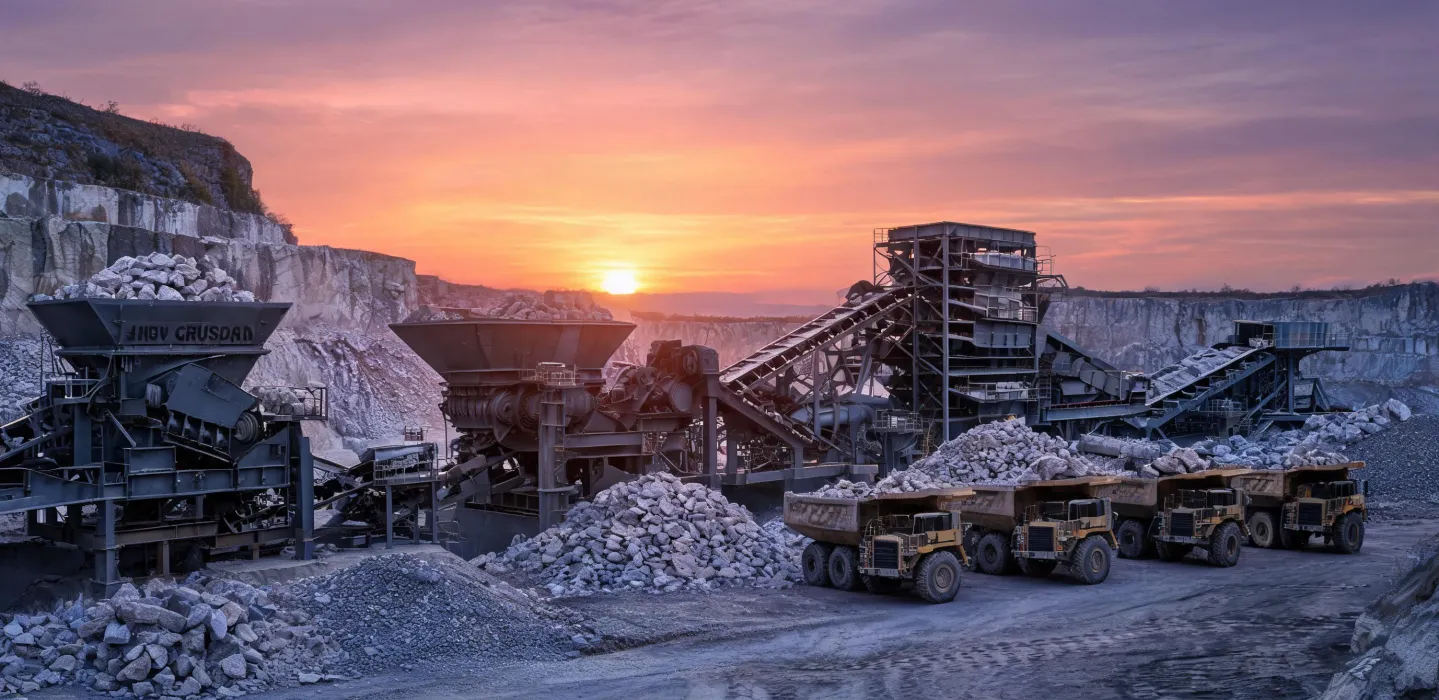
From quarry haul roads to recycled-concrete yards — Powerscreen crushing and screening fleets show up where daily tonnage cannot slip.
Base-course circuits sized for 18-month paving windows — jaw, cone and finishing screen holding gradation through night shifts.
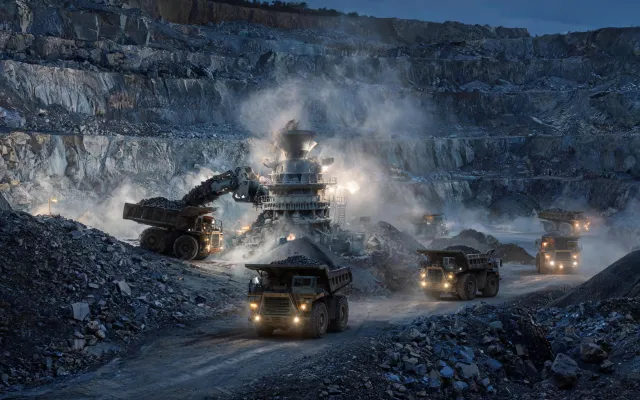
Hard-rock primary jaws and secondary cones with published CSS maps for limestone, granite and trap rock producers.
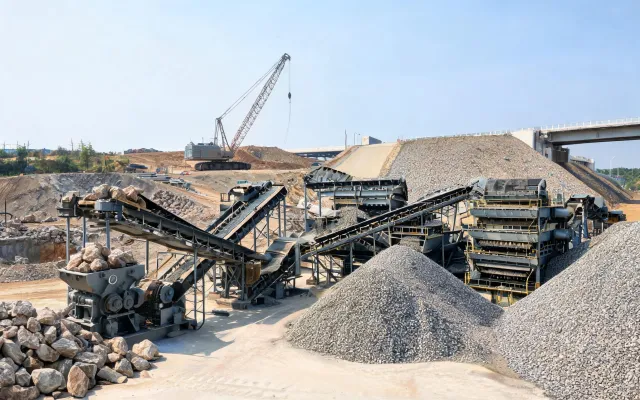
Sized aggregate for approach fills and shotcrete sand — screen decks tuned so fines stay inside tunnel-mix envelopes.
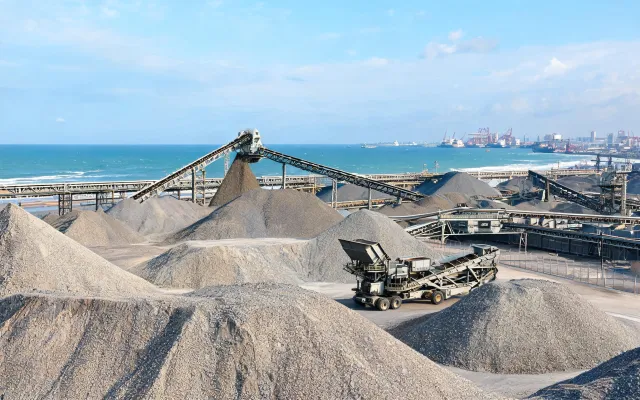
Mobile screens and wash modules reclaim imported rock for coastal concrete batch plants under salt-fog duty.

Impact crushers and magnets cut rebar contamination so recycled aggregate re-enters municipal specs.
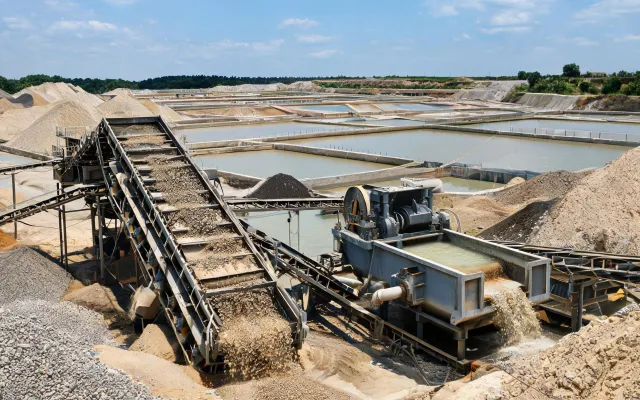
Wet screening and sand-wash modules recover fines without flooding settling ponds beyond permit limits.
Highway base-course packages start with a primary jaw opening sized to the haul-truck F80, then a cone CSS map that holds 16–25 mm product for binder and 25–38 mm for sub-base without starving the finishing screen. Quarry and aggregate producers usually ask for higher circulating load tolerance, so we publish vibration frequency targets for each deck aperture and keep ISO 4406 hydraulic cleanliness logs with the commissioning pack.
Bridge and tunnel contractors care about shotcrete sand consistency more than peak t/h. Powerscreen wet modules and sand-wash options recover fines while staying inside settling-pond permit limits, and screen media kits are staged at regional hubs so a mid-campaign aperture change does not wait on ocean freight. Port stockyards reclaim imported rock under salt-fog duty; we specify stainless fasteners on wash modules and document ground pressure for tracked mobiles that roll across paved reclaim pads.
Urban demolition recycling needs magnet separation ahead of the impact chamber so rebar contamination stays below municipal recycled-aggregate caps. Sand and gravel plants often run open-circuit finishing; we tune discharge openings and deck RPM so near-size particles leave the circuit instead of building circulating load that burns diesel without adding saleable tons.
We stay transparent on the jaw-versus-impact primary debate: jaws stay the default for hard limestone and granite because maintenance is simpler and feed hardness tolerance is wide, while impact chambers earn the bid when asphalt-grade cubicity matters more than liner life on soft rock or recycled concrete. Mobile plants relocate faster but can sacrifice peak t/h versus a stationary jaw-cone-screen line; tighter CSS raises cubicity yet increases liner wear and diesel per ton. Powerscreen publishes those limits beside the duty map so equipment managers can price downtime and liner life honestly in the tender.
Share rock type, daily tonnage and finished gradation. Application engineers attach a comparable Powerscreen circuit with CSS and screen geometry notes you can drop into the EPC package.